
How to sell on Instagram in India without a website.
Yes, you can run your brand only on Instagram. What to set up, how buyers pay without a checkout page, how to ship, and when you need more, with a checklist.
By The Tapzor team · · 7 min read
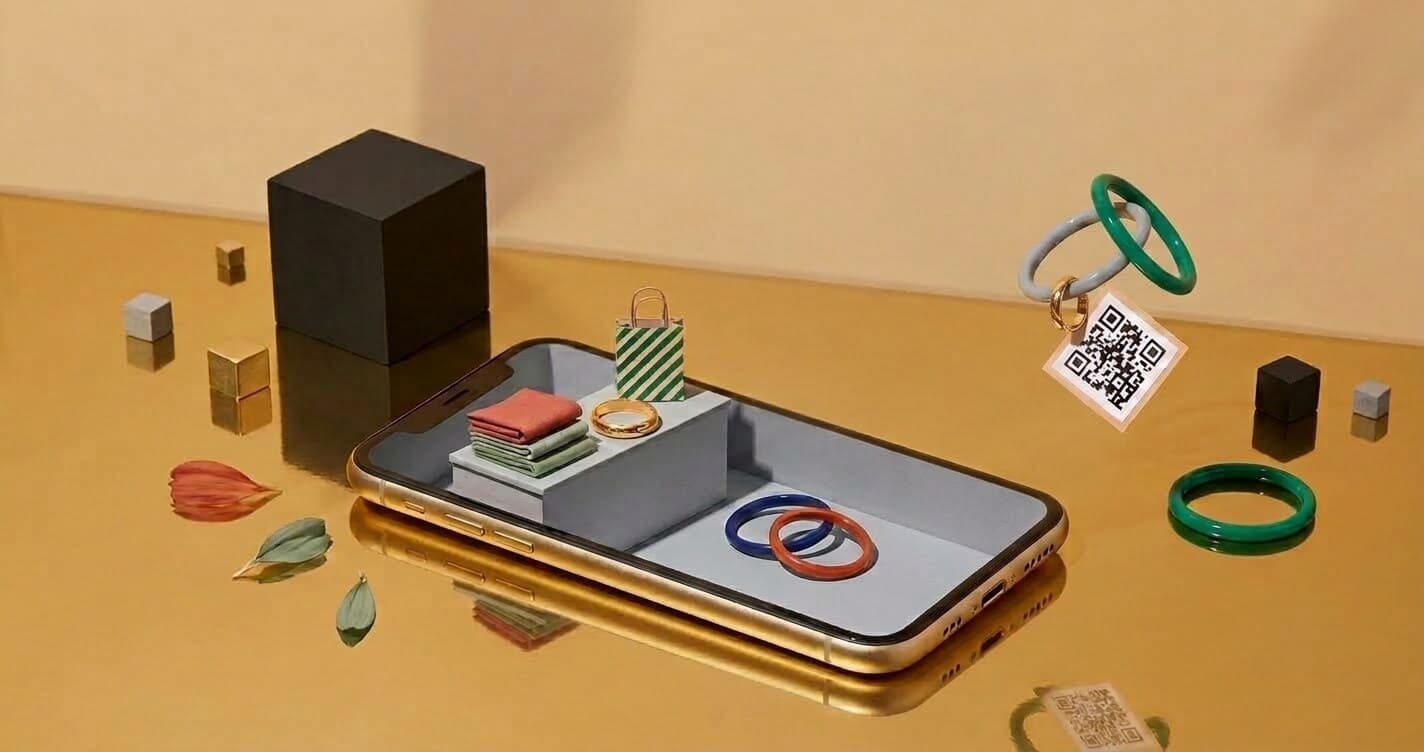
Yes, you can sell on Instagram in India without a website. Buyers find you in reels and posts, ask in your DMs, pay by UPI or cash on delivery, and you ship with a courier. A website is optional. What you do need is a clear way to answer, get paid and deliver. This guide covers each step and ends with a checklist you can copy.
Can you sell on Instagram in India without a website?
Yes. No rule in India says you need a website to sell online. What matters is the business itself: paying the right tax, keeping a record of every sale, following the rules for your category (food sellers need an FSSAI licence, for example), and being fair about returns and refunds.
Whether you need GST depends on how much you sell and where you ship, and the rules have exceptions. Ask a chartered accountant before you decide. We will publish a separate guide on GST, checked by one.
What you need before your first sale
You need five things: a professional Instagram account, prices buyers can find, a way to take payment, a way to ship, and your rules for delivery and returns written down.
1. A professional account
Switch to a professional (business or creator) account in Instagram’s settings. It is free. You get insights on which posts bring messages, a contact button on your profile, and saved replies for the questions you answer every day.
2. Prices buyers can find
Put the price where buyers look first: in the first line of the caption, and in a highlight called “Price list”. Many “price?” messages come from posts where the price was hard to find. Some sellers hide prices on purpose to start a chat. That can work, but every “price?” then needs a reply before the sale can move.
3. A way to take payment
Most small brands offer three: UPI (a QR code or UPI ID), a payment link from a payment gateway, and cash on delivery (COD), where the buyer pays the courier when the parcel arrives. More on each below.
4. A way to ship
A shipping aggregator such as Shiprocket or NimbusPost lets you book different couriers from one account and print labels at home, without signing up with each courier separately. India Post reaches pincodes some private couriers do not. Before you confirm an order, check that the buyer’s pincode is serviceable, and whether COD is available there.
5. Delivery and returns, written down
Write short answers to four questions: how long delivery takes, what it costs, whether you take returns or only exchanges, and your rules for COD. Pin them as a highlight called “Shipping & returns”. Buyers will still ask, but a written rule settles arguments later.
How buyers pay you without a checkout page
Buyers pay you by UPI or a payment link before you ship, or in cash on delivery. Paid-first orders are simpler: you ship only what is paid for, and nothing comes back unpaid.
Confirm the order in one message first. Item, size or colour, price, delivery charge, total, and the full address with pincode. Ask the buyer to reply “confirmed”. This one message prevents most “that’s not what I ordered” arguments.
Check the money in your own bank or UPI app, not just the screenshot. Screenshots can be edited. Match the amount and the UPI reference number (UTR) before you pack.
If you offer COD, set rules for it. Common ones: a small COD fee, COD only below a certain order value, or a part-payment in advance to confirm the order. A refused COD parcel usually costs you the courier fee both ways.
How long does a sale take? Measure your Closing Gap
Your Closing Gap is the time from a buyer asking the price to the money reaching you, including orders that come back unpaid. It is not how fast you reply. It is the whole wait until you are paid.
Measure it for two weeks. For every chat, note when the buyer first asked and when the money arrived. A COD order counts on the day the cash reaches your account, not the day you ship. If a COD parcel is refused, that sale never closed. Most brand owners have never measured this, and it shows exactly where sales stall.
Do you need a website? The Storefront Tax
Not to start. A website helps when buyers want to browse everything at once, when you run ads that need a page to land on, or when you sell in large numbers. Until then, the chat is your shop.
Sending a buyer from a chat to a website link has a cost. We call it the Storefront Tax: what you lose, in money and buyers, when you send a buyer out of the chat to a website built for bigger businesses. She came to you in a DM. A link makes her leave, wait for a new page, find the product again and fill in a form. Some buyers drop off at every step.
If you do share a link, send the exact product page, never your homepage, and stay in the chat until she has paid.
Five signs Instagram alone is no longer enough
Instagram alone stops being enough when you can’t keep up with the chats, not when you reach a follower number. Watch for these five signs:
Buyers wait until the next day for a reply, and some buy elsewhere.
Orders get lost between DMs, WhatsApp and notes on your phone.
You type the same five answers (price, size, COD, delivery, returns) all day.
Refused COD parcels eat into what you earn.
Buyers ask where they can see everything you sell in one place.
The first three point to the Attention Ceiling: the size your brand stops growing at, because one person can only answer so many chats. The fix is not always a website. It can be saved replies, a simple order sheet, a helper for busy hours, or a one-page catalogue.
How to keep track of orders without a website
Use one sheet with one row per order. Google Sheets or Excel is enough. These columns cover what you need:
ColumnWhat to write Asked onThe date the buyer first messaged BuyerInstagram handle and phone number ItemProduct, size or colour, quantity TotalPrice plus delivery PaymentUPI, link or COD, and the UTR once paid Paid onThe date the money reached you Shipped onDate and tracking number OutcomeDelivered, returned or refused
Two numbers from this sheet matter most: the average days from “Asked on” to “Paid on” (your Closing Gap), and how many COD orders come back refused. Check both once a month.
Checklist: selling on Instagram without a website
Copy this into your notes app and tick it off.
Account
Professional account switched on
Bio says what you sell, where you ship and how to order
Saved replies for price, size, COD and delivery
Prices and products
Price in the first line of every product post
A “Price list” highlight
Sizes or measurements in the caption, or a “Size guide” highlight
Payments
UPI QR code and UPI ID ready to send
A payment link for buyers who prefer cards or net banking
COD rules decided: fee, order limit or part-payment
Every payment checked in your bank or UPI app before packing
Shipping
Shipping account set up and labels printing
Pincode and COD availability checked before you confirm
Tracking number sent to the buyer on the day you ship
Rules and records
“Shipping & returns” highlight pinned
Every order confirmed in one message before payment
Order sheet updated the same day
Closing Gap and refused COD orders checked once a month
What’s next
Next in this series: ready-to-use replies for “price?”, size, COD and delivery questions.
Tapzor is a new tool for small brands that sell in their DMs. Tapzor is still being tested. We won’t promise that it answers your DMs for you until we have checked, together, that it suits your brand. If you would like to try it with your brand, apply for the pilot.
Questions people ask
Can I sell on Instagram in India without a website?
Yes. No rule in India says you need a website to sell online. Buyers can find you on Instagram, order in your DMs and pay by UPI, a payment link or cash on delivery. You still need to handle tax, your category's rules (such as an FSSAI licence for food) and fair returns.
How do Instagram sellers in India get paid?
Most use UPI (a QR code or UPI ID), a payment link from a payment gateway, or cash on delivery. Confirm the order in one message first, and check each payment in your own bank or UPI app before you ship, because screenshots can be edited.
Do I need GST to sell on Instagram?
It depends on how much you sell and where you ship, and the rules have exceptions. Ask a chartered accountant before you start. We will publish a separate guide on GST, checked by one.
When should an Instagram seller get a website?
When buyers often ask to see everything in one place, when you run ads that need a page to land on, or when you sell in large numbers. Before that, sending buyers from a chat to a website can cost you sales, which Tapzor calls the Storefront Tax.